By Chris James
When Dr. Debra Clary walks into a room, she brings two things with her – a sharp mind and an open question.
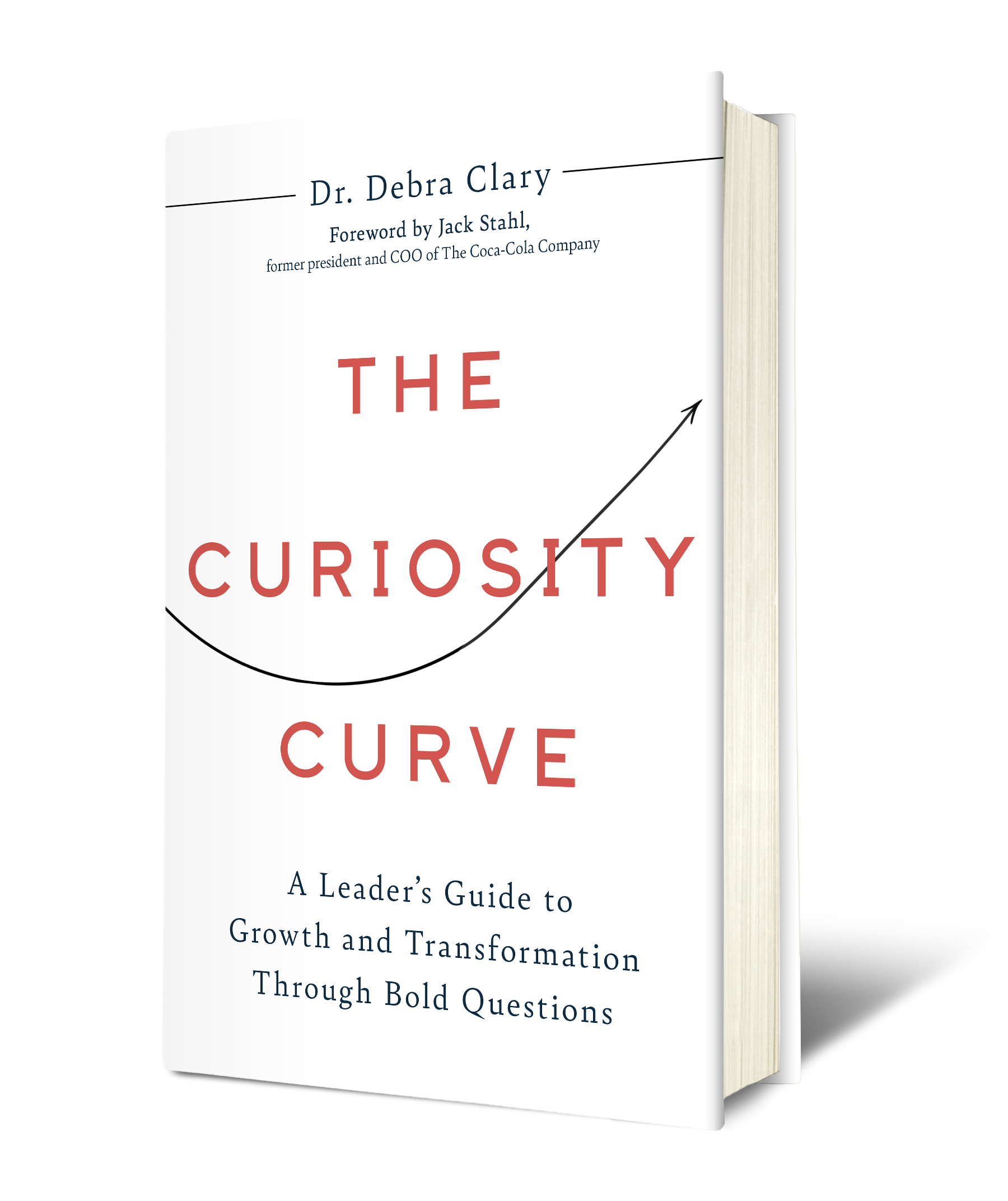
For the leadership expert, researcher and author of The Curiosity Curve: A Leader’s Guide to Growth and Transformation Through Bold Questions, curiosity isn’t just a personality trait – it’s a measurable skill that can elevate workplaces, revive engagement and even change the way we lead and innovate.
In an age where workplaces are overwhelmed, leaders are stretched thin and employees are quietly disengaging, Clary argues that curiosity isn’t a luxury. It’s a necessity.
“Fear and curiosity cannot coexist in the brain,” she said. “If you are fearful, ask yourself a question and the fear will dissipate.”
It’s a simple idea, but one Clary has spent years researching, dissecting and watched it come alive in leaders across various industries.
Why Curiosity Matters Now More Than Ever
Curiosity, Clary explains, is biologically powerful: the brain sees anything new as a threat. Even small changes like a new meeting time, an operating manual – for example – can trigger survival mode.
She believes when asking questions, curiosity signals safety and invites connection.
That insight sparked the book. But the seed? Surprisingly, it began with a joke, a question and a puzzle – all within two weeks.
While on a train from Rome to Florence, Italy, an Italian man wanted to tell a joke. “What do you get when you ask an American a question? An answer.” She explained she didn’t get the joke but was polite, smiled and nodded her head. Spending the rest of her trip in Italy, Clary noticed Europeans have different conversations – wanting context of questions before conclusions.
Then came the CEO who turned to her in a boardroom and asked, “Can curiosity be learned, or is it innate?”
And finally, Gallup had released its lowest workplace engagement numbers in history of its reporting.
“I had this hypothesis,” Clary recalls. “Curiosity might be the antidote.”
She hired a team of MIT researchers and three months later, they confirmed it – leaders with high curiosity levels have teams with significantly higher performance.
“That’s when I said, wow. The joke, the question, and the puzzle we have an answer to,” she said.
The Leadership Lesson That Started It All
Long before publishing, keynote stages or an off-Broadway one woman show, Clary was loading boxes in a Frito Lay warehouse.
Fresh out of business school, she believed she was interviewing for a management role. Instead, she was offered a route driver position but without a guarantee of ever moving off it. The company wanted her to learn from the bottom up.
Clary asked one question – “Are other women doing this?”
They told her yes, but she wondered if there were other questions she could have asked.
“I thought – wait, if there’s other women that are physically doing this, then I can do it. Sign me up,” she recalled. “It was that beginning and I didn’t have the language of the understanding of that I was just curious but [having] the sense of the more I learn, the better leader I’m going to be.”
Years later, the experience would pay off.
She recalls a time when Frito Lay was rolling out a new line of sweet snacks and invited small group from the field to listen to a marketing pitch.
Clary says the executives discussed the data, analysis and the why of having to load the snacks but never considered a simple operational question – “How are you going to fit it on the truck?”
None of the executives had the experience of starting on the route truck.
Using her curiosity, she likely saved the company from a costly rollout mistake. Asking questions could also protect organizations from blind spots.
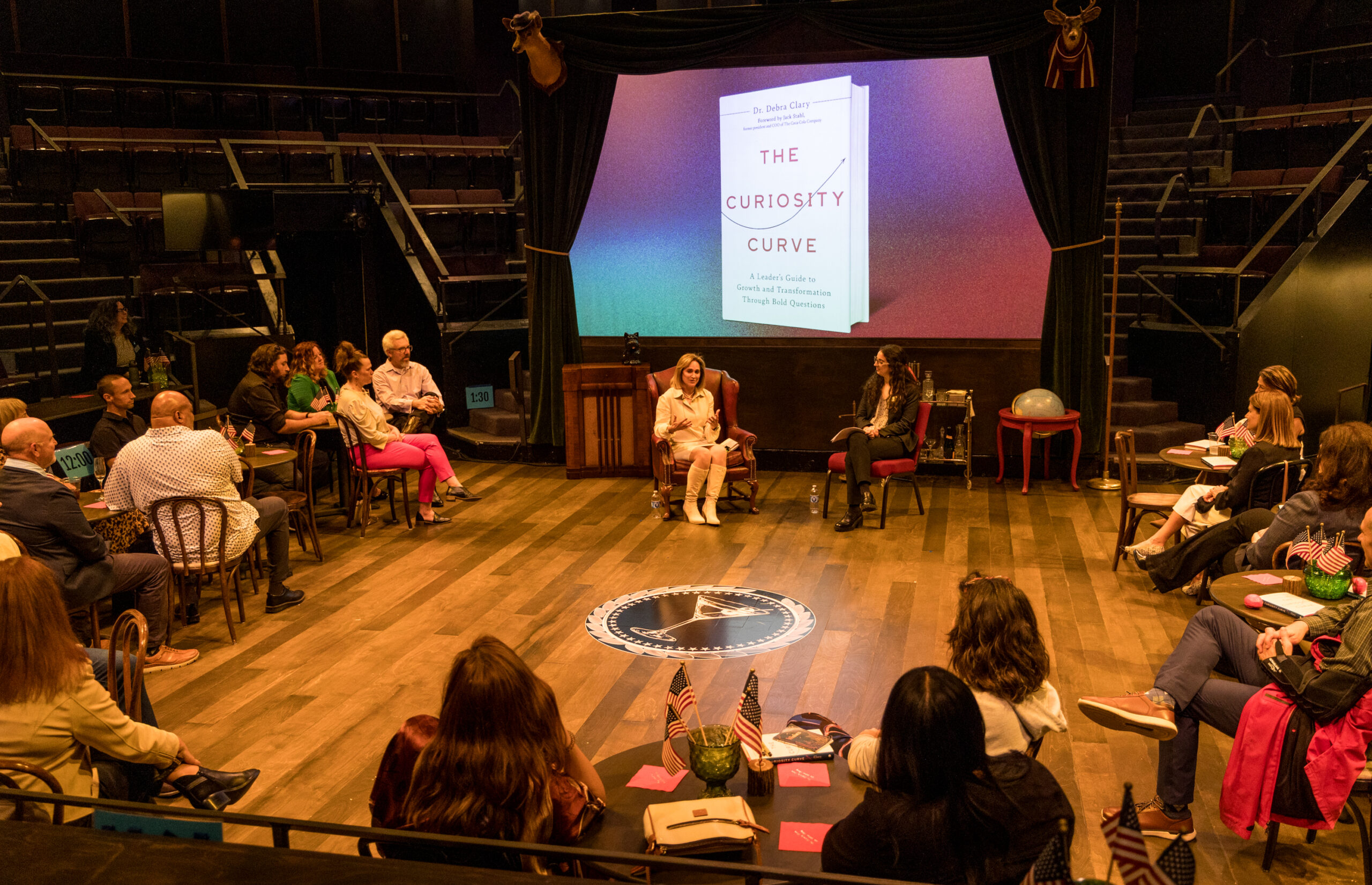
Dr. Debra Clary speaks during her October book launch party at Actors Theater of Louisville.
A relatable lesson in The Curiosity Curve comes from Clary’s daughter, Madeline.
Madeline wanted to make the varsity basketball team despite having skills like dribbling, shooting and speed.
Then she revealed her “why” – she wanted to play with her sister one last year.
Like all supportive parents, she jumped into action, and it changed everything.
She pulled out a piece of paper, and she listed things Madeline told her what she had and didn’t have.
It was an exercise Clary says helped her leadership – especially when facing big goals with limited resources.
Are Workplaces Accidentally Training Curiosity Out of People?
Clary believes they are but not out of malice.
As children, she notes, we ask nearly 300 questions a day. Adults ask around five. Society, she says, teaches us “curiosity killed the cat” or warns us not to open “Pandora’s box.” Then we enter professions that reward having answers, not asking questions. Time pressure does the rest.
When employees bring leaders problems, leaders often solve them. Efficient—but shortsighted.
She urges leaders to ask questions that guide employees to their own solutions.
“You’re helping them think for themselves. You’re building their confidence, and you’re also expressing, ‘I have confidence that you can solve this’,” she said.
The research featured in her book uncovered something surprising — millennials, who now make up 35% of the workforce, are 65% disengaged.
When asked about disengagement in a focus group, Clary recalls them saying: “My leader doesn’t know me and doesn’t care to know me.”
Not their hobbies — but their skills, expertise and aspirations.
Clary believes the disconnect is fueling the rise in entrepreneurship, especially for women craving autonomy, flexibility and meaningful contribution.
“One of the most beautiful things that’s happening right now is this new awareness of people can be productive anywhere,” she said. “You don’t have to leave Louisville or have to move to Louisville to work for an organization.”
She adds rigid workplaces will continue to lose talent while others who understand flexibility will acquire them.
If Clary were advising a CEO her advice would be simple — explore curiosity with your employees.
“The most powerful thing a CEO can say when asked a question is, ‘I don’t know.’”
Not knowing doesn’t weaken authority, she explains—it strengthens connection.
The question she wishes every leader would start using?
“What do you think?”
It’s the fastest doorway to innovation.
The Curiosity Whisperer
Clary often calls herself a “curiosity whisperer” — not because she has answers, but because she’s committed to asking better questions and listening deeply.
She even learns from her own grandchildren, whom she says if they correct her “they’re probably right.”
“They’re closer to it because they’ve just learned it.”
For women beginning their own “Curiosity Curve,” she suggests grabbing pen and paper and asking:
“What would bring me joy to learn if I learned something new and different?”
Then, explore — through books, podcasts, conversations or new experiences.
“That’s the root of curiosity, Clary said.
As readers finish The Curiosity Curve, Clary hopes they recognize curiosity as essential — not only for brain health but for personal and organizational performance.
“Curiosity can be learned,” she said. “They can start this journey of getting better.”
For those wondering whether they’re curious, Clary offers a free quiz on her website.
Today’s Woman readers can use the QR code below:

To learn more about Dr. Debra Clary, visit her website for more information.